Best Camping Tents
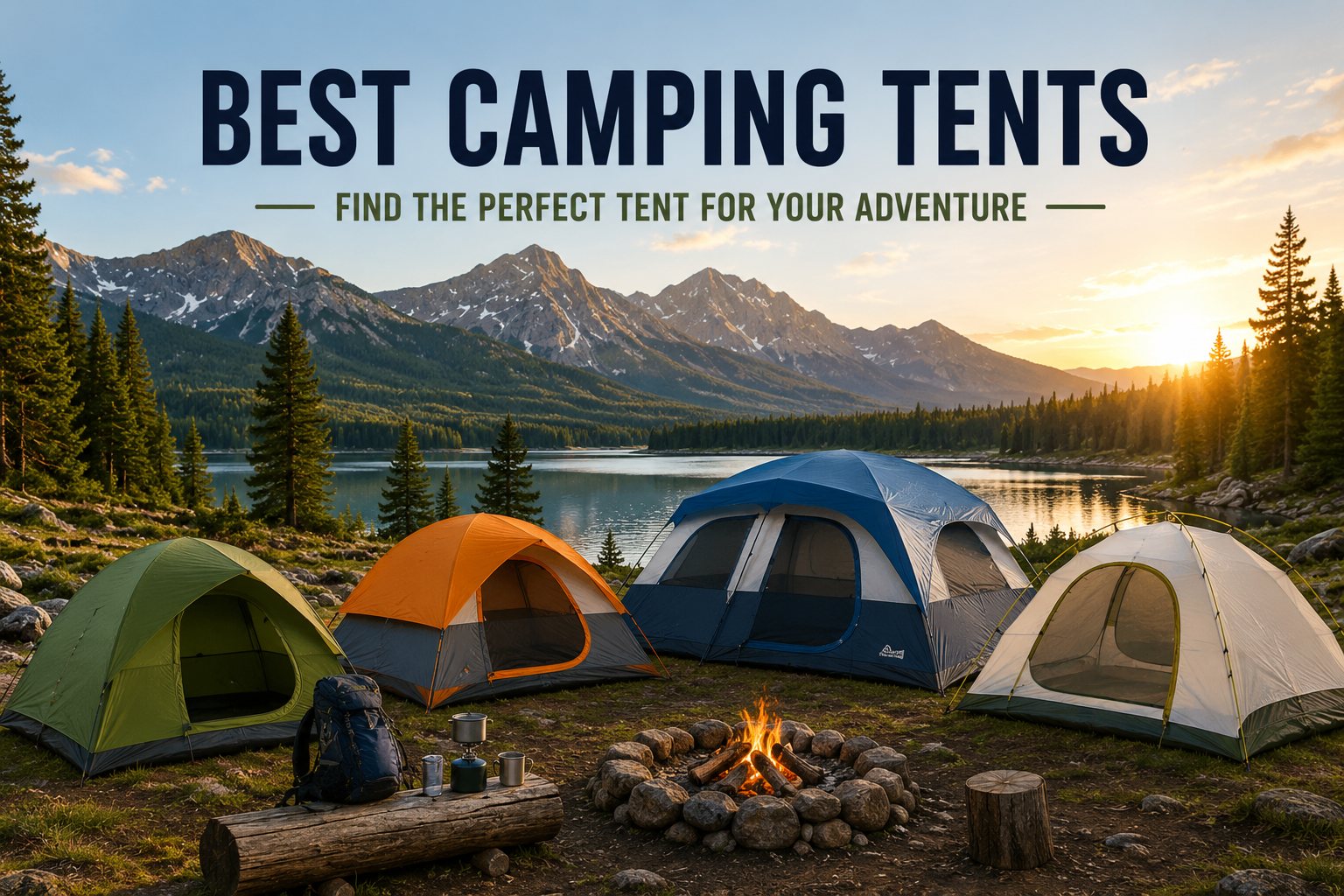
Choosing the best camping tent can make a huge difference to your outdoor experience.
Your tent is more than just a place to sleep. It protects you from rain, wind, insects, and changing weather while giving you a comfortable place to relax after a day outdoors.
However, with so many tent styles, sizes, materials, and features available, choosing the right one can be confusing—especially if you’re new to camping.
In this guide, we’ll explain how to choose a camping tent, what features to look for, and which type of tent is best for different camping situations.
Quick Answer: The best camping tent depends on your group size, camping style, expected weather, available space, and budget. For most beginners, a reliable 3-season tent with easy setup, good ventilation, and adequate waterproof protection is an excellent starting point.
What Makes a Good Camping Tent?
Before buying a tent, consider the features that matter most for your type of camping.
A good camping tent should offer a combination of:
- Reliable weather protection
- Easy setup
- Good ventilation
- Enough sleeping space
- Durable materials
- Reasonable packed size
- Appropriate weight
- Useful storage options
You don’t necessarily need the most expensive tent.
The goal is to find a tent that matches your actual camping needs.
1. Choose the Right Tent Size
One of the first things to consider is how many people will sleep inside the tent.
Tent sizes commonly include:
- 1-person tents
- 2-person tents
- 3-person tents
- 4-person tents
- 6-person tents
- 8-person tents and larger
But remember that the stated capacity usually refers to how many people can technically sleep inside—not necessarily how comfortable they’ll be.
For example, a 4-person tent can technically sleep four people, but a family with children and camping gear may prefer a larger model.
A simple rule
If you want extra room for clothing, backpacks, and other gear, consider choosing a tent designed for one or two more people than your actual group size.
For car camping, the additional space can be well worth it.
2. Consider Your Camping Style
The best tent for backpacking isn’t necessarily the best tent for family camping.
Car Camping
If you’re driving directly to your campsite, you can prioritize:
- Spacious interiors
- Large doors
- Tall ceilings
- Multiple rooms
- Extra comfort
Weight is usually less important.
Backpacking
For backpacking trips, focus more on:
- Low weight
- Small packed size
- Simple setup
- Weather protection
- Durable construction
Every extra pound matters when you’re carrying your equipment for miles.
Family Camping
Families usually benefit from:
- Larger floor areas
- Multiple doors
- More headroom
- Storage pockets
- Room dividers
- Large vestibules
3. 3-Season vs. 4-Season Tents
One of the most important decisions is choosing the appropriate tent season.
3-Season Tents
3-season tents are designed primarily for:
- Spring
- Summer
- Fall
They generally provide good ventilation while offering protection from rain and moderate wind.
For most recreational campers, a 3-season tent is the most practical choice.
4-Season Tents
4-season tents are designed for more demanding conditions, particularly winter environments.
They typically have stronger structures and designs intended to handle snow and stronger winds.
If you primarily camp during mild weather, however, you probably don’t need a 4-season tent.
4. Waterproofing Matters
Nobody wants to wake up in a wet sleeping bag.
When comparing camping tents, pay attention to:
- Rainfly coverage
- Seam construction
- Floor design
- Waterproof materials
- Overall rain protection
A good rainfly should provide substantial coverage over the tent body.
Important tip
A tent can be marketed as waterproof, but proper setup is still essential.
Make sure the tent is correctly staked, the rainfly is properly installed, and water isn’t able to collect around the tent.
5. Ventilation
Good ventilation is often overlooked when buying a tent.
Without sufficient airflow, condensation can build up inside the tent, especially overnight.
Look for:
- Mesh windows
- Roof vents
- Adjustable vents
- Multiple openings
Good airflow can help keep the interior more comfortable.
6. Tent Setup
If you’re a beginner, choose a tent that you can confidently set up.
Before buying, consider:
- Number of poles
- Pole attachment system
- Color-coded components
- Freestanding design
- Number of people needed for setup
A complicated tent may offer additional features, but simple designs are often more convenient for weekend camping.
Beginner tip: Set up your new tent at home before your first trip.
This lets you learn how everything works without trying to figure it out in the dark or during bad weather.
7. Freestanding vs. Non-Freestanding Tents
Freestanding Tents
These tents can usually stand without being completely secured to the ground.
Advantages include:
- Easy setup
- Easy repositioning
- Convenient cleaning
- Good option for beginners
Non-Freestanding Tents
These rely more heavily on stakes and tension to maintain their structure.
They can be lighter and are popular for certain backpacking applications.
For beginners and casual campers, a freestanding tent is often easier to use.
8. Look for Useful Storage
Small storage features can make a big difference inside a tent.
Look for:
- Interior pockets
- Gear lofts
- Vestibules
- Hanging points
A vestibule is particularly useful because it gives you a covered area for shoes, backpacks, and other gear without taking up sleeping space.
9. Tent Doors
The number and design of doors may seem like a small detail, but they can significantly affect comfort.
For couples or groups, two doors can be much more convenient than one.
Multiple doors allow people to enter and leave without climbing over each other.
For solo camping, however, one well-designed door may be perfectly adequate.
10. Tent Weight and Packed Size
Weight matters differently depending on how you’re camping.
For car camping, tent weight isn’t usually a major concern.
For backpacking, it becomes one of the most important factors.
A lightweight tent can make a long hike much easier.
However, don’t sacrifice necessary weather protection simply to save a few ounces.
Best Camping Tent for Beginners
If you’re buying your first camping tent, don’t overcomplicate the decision.
A good beginner tent should ideally have:
- Easy setup
- 3-season design
- Reliable rain protection
- Good ventilation
- Enough interior space
- Reasonable durability
- Simple storage
- A practical price
A 2-person or 3-person tent can be a good starting point for solo campers or couples, while families will generally want something larger.
Best Camping Tent for Families
Family camping requires a different approach.
Instead of focusing only on sleeping capacity, consider the amount of usable living space.
Look for:
- Large doors
- Tall center height
- Multiple rooms
- Large windows
- Good ventilation
- Storage pockets
- Large vestibules
A larger tent can make rainy days at the campsite much more manageable.
Best Camping Tent for Rain
If you frequently camp in wet conditions, prioritize weather protection.
Look for:
Full-coverage rainfly
A rainfly that extends well over the tent provides better protection from precipitation.
Strong floor design
The floor should help prevent water from entering from the ground.
Sealed seams
Properly sealed seams can help reduce water penetration through stitching.
Good ventilation
Even a waterproof tent needs ventilation to reduce condensation.
Camping Tent Buying Checklist
Before purchasing your next tent, ask yourself:
Capacity
☐ How many people will sleep inside?
Weather
☐ What conditions will I normally camp in?
Camping Style
☐ Car camping or backpacking?
Setup
☐ Can I set it up easily?
Protection
☐ Does it provide adequate rain and wind protection?
Ventilation
☐ Does it have sufficient mesh and vents?
Space
☐ Do I have enough room for myself and my gear?
Weight
☐ Is the weight appropriate for my camping style?
Budget
☐ Does it offer good value for the price?
Common Camping Tent Mistakes to Avoid
Buying Based Only on Price
The cheapest tent isn’t always the best value.
A slightly more expensive tent with better construction and weather protection may last much longer.
Ignoring the Weather
Don’t buy a tent based solely on appearance.
Think about where and when you’ll actually use it.
Choosing the Exact Capacity
If you want additional comfort and storage space, consider going one size larger.
Never Practicing Setup
Learn how your tent works before taking it into the outdoors.
Forgetting the Footprint
A compatible footprint can help protect the tent floor and keep the bottom cleaner.
How Much Should You Spend on a Camping Tent?
There isn’t one correct price for everyone.
A casual camper may be perfectly happy with an affordable tent, while someone who camps frequently may benefit from investing in a more durable model.
Think about how often you’ll use the tent.
If you camp once or twice a year, your priorities may be different from someone who spends dozens of nights outdoors every season.
Instead of asking:
“What’s the cheapest tent?”
Ask:
“What’s the best tent for the way I camp?”
Our Camping Gear Recommendations
If you’re ready to buy a tent, we recommend comparing several models before making your decision.
Look at:
- User reviews
- Weight
- Capacity
- Weather protection
- Setup time
- Warranty
- Packed size
- Available features
[View Our Recommended Camping Tents →]
This section can later become an important affiliate marketing area for Go Camping Easy.
Frequently Asked Questions
What is the best camping tent for beginners?
For most beginners, a 3-season freestanding tent with easy setup, good ventilation, and reliable rain protection is a practical choice.
Is a 2-person tent big enough for two people?
It can be, but two people with a lot of gear may prefer a larger tent for additional comfort and storage space.
Are expensive camping tents worth it?
They can be, particularly for frequent campers who need better durability, weather protection, lower weight, or additional features. However, an expensive tent isn’t automatically the best choice for every camper.
What type of tent is best for rainy weather?
Look for a tent with a well-designed rainfly, good floor protection, properly sealed seams, and adequate ventilation.
Should beginners buy a 3-season or 4-season tent?
For most beginners camping in spring, summer, and fall, a 3-season tent is usually the more practical option. A 4-season tent is better suited to demanding winter conditions.
Final Thoughts
The best camping tent isn’t necessarily the biggest, lightest, or most expensive model.
It’s the one that matches your camping style, group size, weather conditions, and budget.
If you’re new to camping, start with a simple, reliable 3-season tent that’s easy to set up and provides good protection from the elements.
As you gain experience, you’ll have a better understanding of which features matter most to you.
Choose the right shelter, pack smart, and enjoy the outdoors