
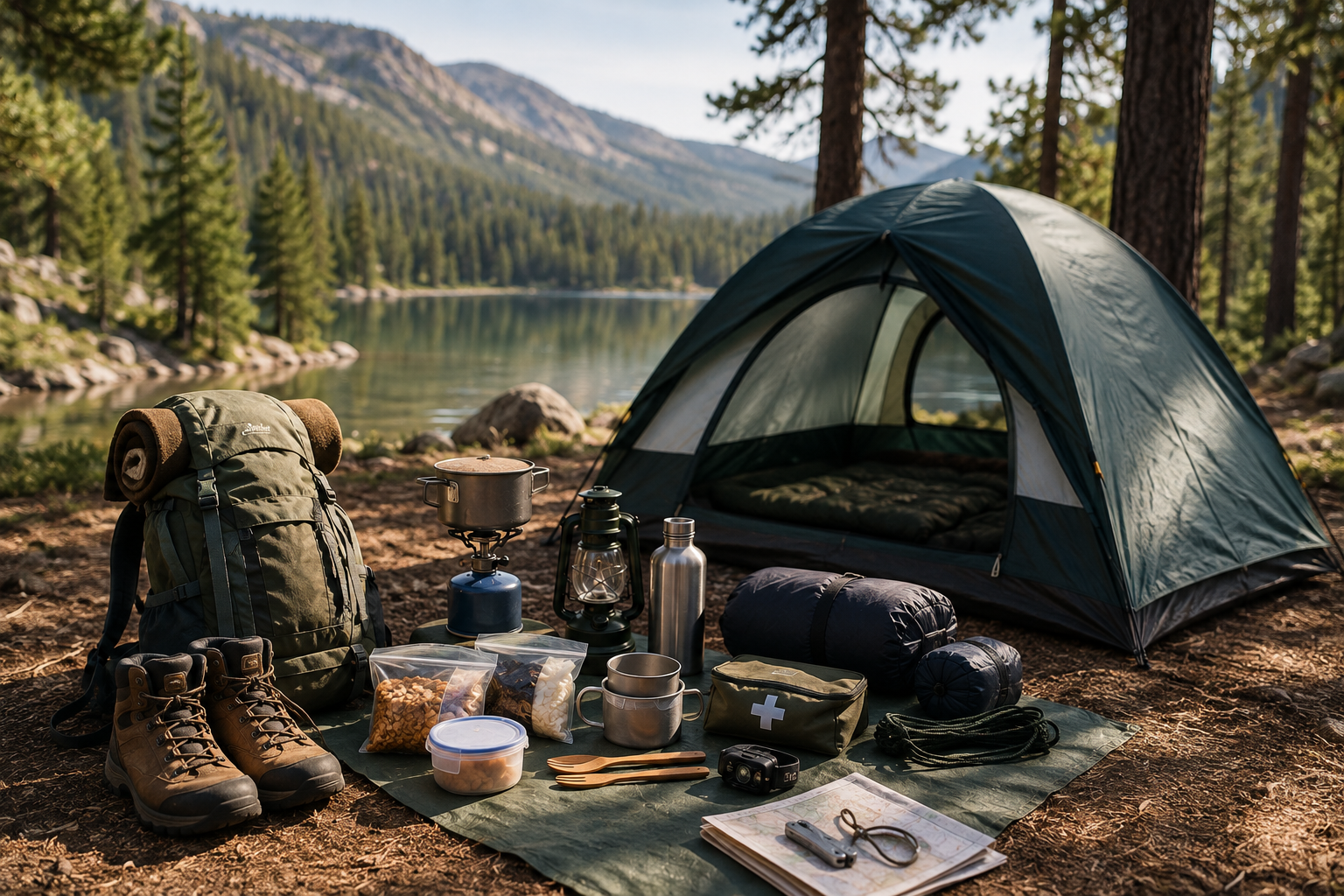
What to Bring Camping: The Ultimate Camping Packing Checklist
Wondering what to bring camping for your next outdoor adventure?
Packing for a camping trip doesn’t have to be complicated. Whether you’re planning your first overnight trip, a weekend getaway, or a longer adventure in the outdoors, having the right equipment can make your experience safer, easier, and much more comfortable.
The challenge is knowing what you actually need.
Bring too little, and you may find yourself without an important item. Bring too much, and your car, backpack, or campsite can quickly become overloaded with unnecessary gear.
That’s why we’ve created this complete camping packing checklist.
From shelter and sleeping gear to food, clothing, cooking equipment, and safety supplies, this guide covers the essential things to bring camping so you can spend less time worrying about your gear and more time enjoying the outdoors.
Quick Answer: The most important things to bring camping include a reliable tent, sleeping bag, sleeping pad, food, water, cooking equipment, appropriate clothing, lighting, first-aid supplies, navigation tools, and weather protection.
Camping Essentials Checklist
Before getting into the details, here’s a quick overview of the main categories you should consider:
- ⛺ Shelter
- 🛏️ Sleeping gear
- 🍳 Cooking equipment
- 💧 Food and water
- 👕 Clothing
- 🔦 Lighting
- 🩹 First-aid and safety gear
- 🧭 Navigation
- 🧼 Personal hygiene
- 🔋 Electronics and power
- 🪑 Campsite comfort
- 🗑️ Waste and environmental supplies
Let’s look at each category in detail.
1. Tent and Shelter
Your shelter is one of the most important parts of your camping setup.
Before leaving home, make sure you have everything needed to set up your tent properly.
Tent checklist
- Tent
- Tent poles
- Tent stakes
- Rainfly
- Tent footprint
- Guy lines
- Tent repair kit
A tent alone isn’t always enough.
Your rainfly provides additional protection from rain, while a footprint can help protect the floor of your tent from moisture, dirt, and rough ground.
Before your trip
If you’re using a new tent, set it up at home first.
This gives you an opportunity to make sure all the parts are included and learn how the tent works before arriving at your campsite.
2. Sleeping Gear
A good night’s sleep can make a huge difference during a camping trip.
Your sleeping system should keep you comfortable and provide appropriate insulation from the ground and weather.
Sleeping checklist
- Sleeping bag
- Sleeping pad or camping mattress
- Pillow or camping pillow
- Extra blanket
- Sleeping bag liner if needed
When choosing a sleeping bag, consider the expected nighttime temperatures rather than simply choosing the warmest or cheapest option.
For more information, check out our guide:
[Best Camping Tents: How to Choose the Right Tent for Your Adventure]
3. Food and Water
Never underestimate the importance of planning your food and water before a camping trip.
The amount you need depends on the length of your trip, the number of people, your activities, and whether reliable drinking water is available at your destination.
Food checklist
- Breakfast ingredients
- Lunch
- Dinner
- Snacks
- Coffee or tea
- Condiments
- Cooking oil
- Drinking water
- Emergency food
Choose foods that are easy to transport, store, and prepare.
For short trips, simple meals are often the best option.
Don’t forget extra water
Even if you expect to find water at your destination, research the location beforehand.
If you’re unsure about water availability or quality, plan an appropriate way to carry or treat drinking water.
4. Camping Cooking Gear
If you plan to cook at your campsite, you’ll need more than just food.
Camping kitchen checklist
- Camping stove
- Fuel
- Lighter or waterproof matches
- Cooking pot
- Frying pan
- Plates
- Bowls
- Cups
- Forks and spoons
- Knife
- Cutting board
- Cooking utensils
- Food storage containers
- Cooler if needed
- Dishwashing supplies
- Trash bags
Keep your cooking equipment simple.
You don’t need to bring your entire kitchen to the campsite.
A few versatile cooking items can be enough for most camping meals.
Safety reminder: Always follow the manufacturer’s instructions for camping stoves and fuel-burning equipment. Never use a fuel-burning stove inside a tent.
5. Clothing
Weather conditions can change quickly outdoors.
Instead of packing one outfit for the entire trip, prepare clothing based on the expected weather and your activities.
Camping clothing checklist
- T-shirts
- Long-sleeve shirts
- Hiking pants
- Shorts
- Underwear
- Extra socks
- Warm layer
- Rain jacket
- Hat
- Gloves for cold conditions
- Comfortable footwear
- Sandals or camp shoes
Pack extra socks
This simple item is often overlooked.
Wet or dirty socks can make an otherwise enjoyable camping trip uncomfortable.
Having an extra pair or two can be extremely useful.
6. Lighting
Once the sun goes down, a reliable source of light becomes essential.
Lighting checklist
- Headlamp
- Flashlight
- Lantern
- Extra batteries
- Rechargeable lights
- Backup light
A headlamp is particularly useful because it allows you to keep both hands free while cooking, setting up your tent, or walking around your campsite.
Don’t rely on your phone’s flashlight as your only source of light.
7. First-Aid and Safety Equipment
A basic first-aid kit should be part of every camping packing list.
Even a simple outdoor trip can involve minor cuts, blisters, insect bites, or other unexpected problems.
First-aid checklist
- Adhesive bandages
- Gauze
- Medical tape
- Antiseptic supplies
- Tweezers
- Disposable gloves
- Blister treatment
- Personal medications
- Emergency contact information
Your first-aid supplies should match the type of trip you’re taking.
Remote camping and longer adventures may require more comprehensive preparation.
8. Navigation and Communication
Your smartphone can be useful outdoors, but it shouldn’t necessarily be your only navigation tool.
Some camping locations may have limited or no cellular service.
Navigation checklist
- Physical map
- Compass
- Offline maps
- GPS device if appropriate
- Fully charged phone
- Emergency communication device when appropriate
Before leaving, make sure you understand your route and know where you’re going.
If you’re heading into a remote area, let someone you trust know your plans and expected return time.
9. Personal Hygiene
You don’t need to bring your entire bathroom with you.
However, a few basic hygiene supplies can make camping much more comfortable.
Hygiene checklist
- Toothbrush
- Toothpaste
- Biodegradable soap where appropriate
- Toilet paper
- Hand sanitizer
- Quick-dry towel
- Wet wipes
- Personal toiletries
- Sunscreen
- Insect repellent
Remember that camping locations have different rules regarding washing and waste disposal.
Always follow local regulations and Leave No Trace principles.
10. Weather Protection
Checking the weather forecast before your trip should be part of your preparation.
However, don’t pack based solely on perfect weather predictions.
Weather protection checklist
- Rain jacket
- Waterproof backpack cover
- Extra layers
- Sun hat
- Sunscreen
- Sunglasses
- Extra dry clothing
- Waterproof bags
Keeping important items inside waterproof bags can help protect them if your gear gets wet.
11. Camping Furniture and Comfort Items
Some items aren’t strictly essential, but they can make your campsite much more comfortable.
Optional comfort gear
- Camping chair
- Camping table
- Hammock
- Portable shower
- Camping pillow
- Outdoor blanket
- Folding storage boxes
- Extra tarp
If you’re car camping, you can bring more comfort items.
If you’re backpacking, you’ll probably want to keep your equipment as lightweight as possible.
12. Electronics and Power
Technology isn’t necessary for camping, but certain devices can be useful.
Electronics checklist
- Smartphone
- Power bank
- Charging cables
- Portable lantern
- Camera
- GPS device if needed
- Spare batteries
Before leaving, fully charge your devices.
If you’re traveling somewhere remote, consider how you’ll communicate if your phone loses cellular service or battery power.
13. Fire and Campfire Supplies
If campfires are allowed at your campsite, you may want to bring appropriate fire-starting supplies.
Depending on local rules and conditions, these may include:
- Waterproof matches
- Lighter
- Fire starter
Always check the fire regulations for your camping destination.
During dry or high-risk conditions, campfires may be restricted or prohibited.
Never leave a campfire unattended, and make sure it is completely extinguished before leaving the area.
14. Trash and Cleaning Supplies
One of the simplest rules of responsible camping is:
Pack it in, pack it out.
Bring enough bags to collect your trash and keep your campsite clean.
Cleaning checklist
- Trash bags
- Food storage bags
- Paper towels
- Reusable cleaning cloth
- Dishwashing supplies
- Hand sanitizer
Don’t leave food scraps or garbage around your campsite.
Keeping your food and trash properly stored can also help reduce unwanted wildlife encounters.
15. Emergency Gear
For longer or more remote trips, consider carrying additional emergency equipment.
Depending on your destination and activities, useful items may include:
- Emergency blanket
- Whistle
- Extra food
- Extra water
- Backup lighting
- Fire starter
- Emergency communication device
- Basic repair supplies
The more remote your trip, the more important preparation becomes